Metric madness

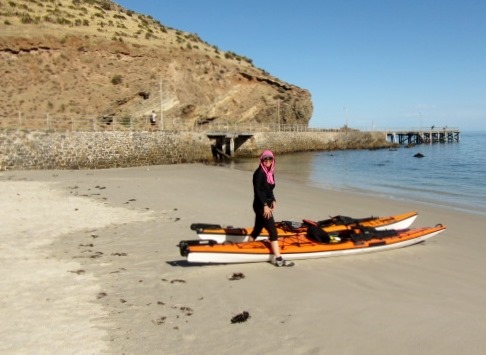
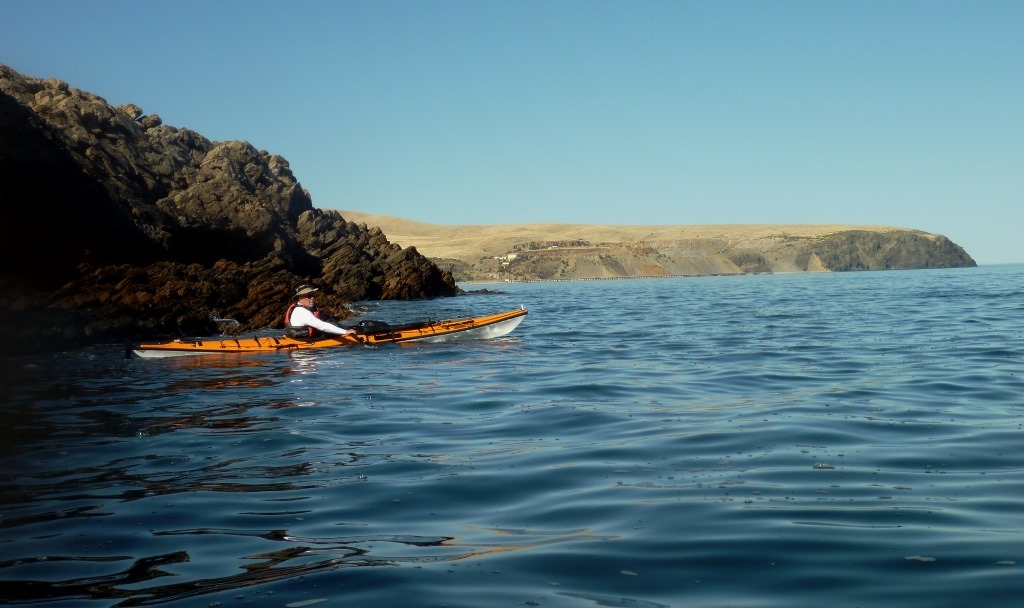
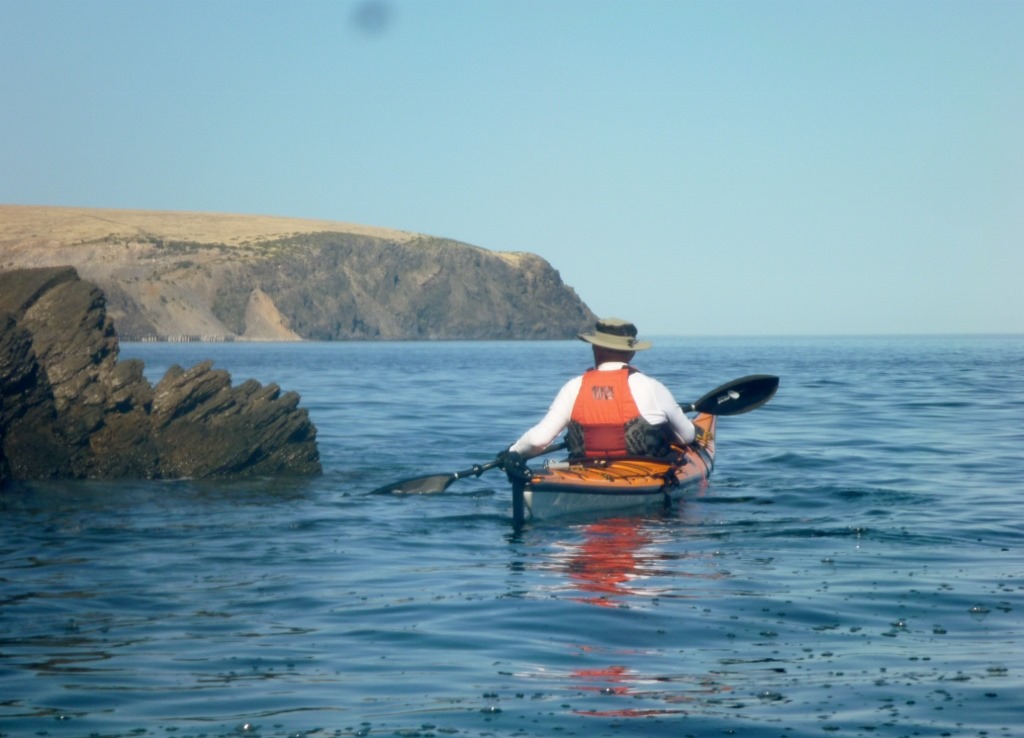
We have been visiting Memory Cove in the Pt Lincoln National Park again. This is certainly one of my favourite places to spend a few days, either kayaking along the coast or if it’s too rough, spending time exploring the area by Mountain Bike. The park consists mainly of Sheoak and Eucalyptus woodland with a number of species being represented. The sandy beaches are unspoilt and the sheer cliffs and granite outcrops along the coast make for stunning paddling and the opportunity to see Southern Right Whales in winter.

P1060768 (1024x767)

bikes

This is a place that has remained much the same since the days of Whaling in the early 1800’s, when whalers who were based at nearby Spalding Cove and Thistle Island pulled into this cove. They established a “mailbox” among the rocks on the southern end of the cove, where letters and messages were left for other passing vessels to collect and deliver to the township of Port Lincoln.

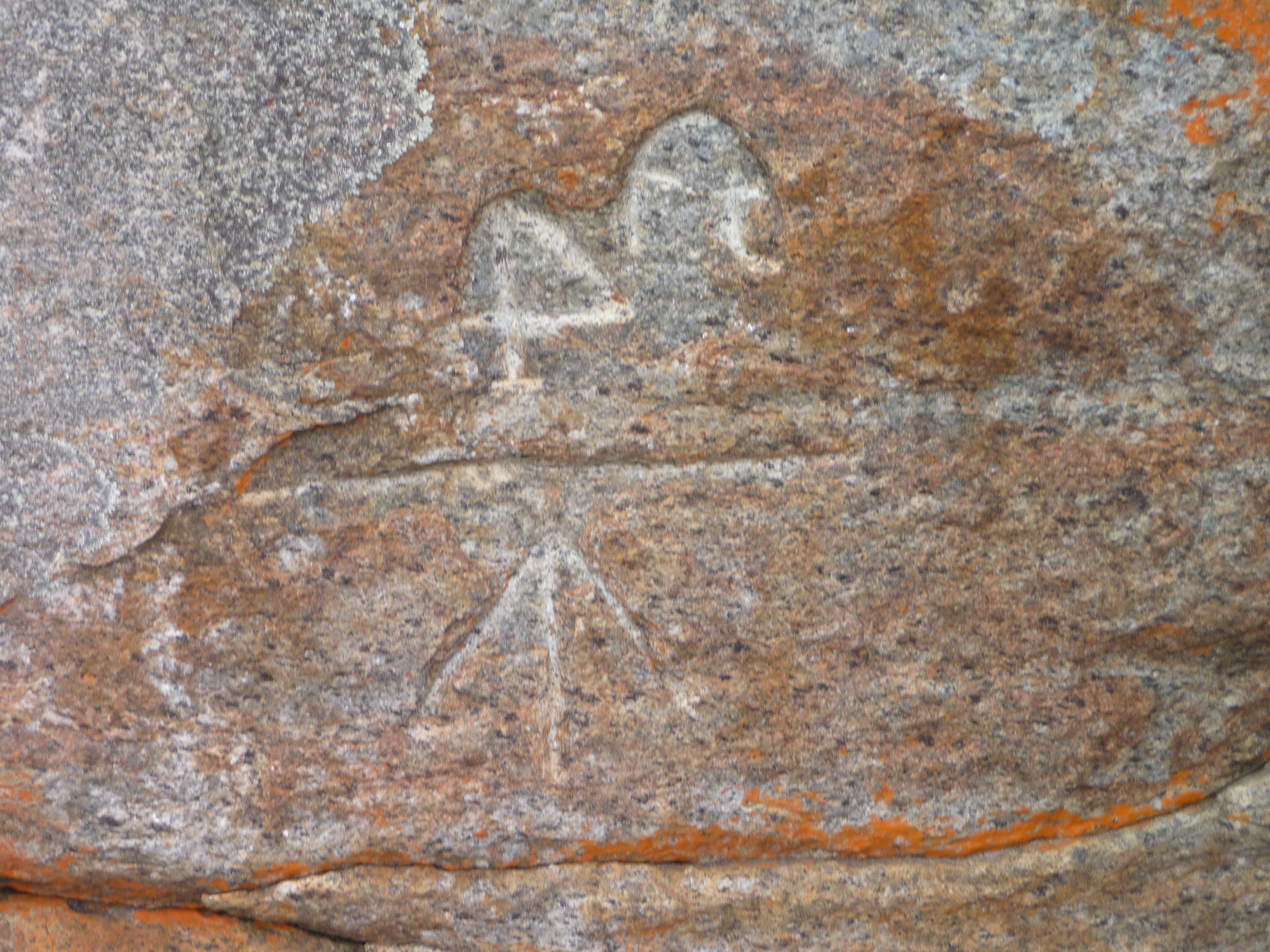
The letterbox is marked by an inscription in the rock, 4 ft and a direction arrow, meaning look 4 foot above this mark.

Mailbox

Now Australian currency was metricated in 1966 from pounds and pence to dollars and cents and distances gradually changed from feet and inches to metres and centimetres but I’m sure Whalers were still in the old ways.

However if you read the Department of Environment brochure  on Memory Cove the letterbox has moved somewhat to 1.2m Λ, changing to metric measures. Maybe the job of “proof reader” has been abolished with the job of “Whaler” but I certainly think it’s just a case of Metric Madness. 🙂

Cheers
Ian Pope
Still Paddling South….

122303


The Adventure Playbook

I was lucky enough to come across the Adventures of Clarke Carter some time ago when he dragged wheeled kayaks across a frozen Victoria Island and skied from the North Pole to Canada. He then sailed the Southern Ocean, paddled the Sepik River of Papua New Guinea in a dugout canoe and attempted to row across Bass Strait from the Australian Mainland to Tasmania.

Not bad for a guy still in his twenties and now as well as his job as a film maker he has published an e-book on adventure with the aim of encouraging others to share his love of the outdoors. You can download the free e-book and follow his blog here. For all you kayaking fans out there he has a short section on sea kayak adventure on page 44 and hopefully this will inspire your own trips.

The epic adventure of crossing Bass Strait from the Australian mainland to Tasmania is covered on page 24 and the photos on the page were taken by me on my 3 Bass Strait Kayak Expeditions, so that at least puts me ahead of Clarke in one adventure count !.

Other favourites from my Bass Strait Expeditions can be found here

Cheers
Ian

Dolphin super Pod

Robyn and I have been travelling with Matt and Kathrin for almost a month now, exploring the coastline of South Australia as well as a bit of an “outback” detour to the northern Flinders Ranges. We have seen lots of the wildlife of the area, often having emus wander through camp, kangaroos hop past the tent at night and  all manner of birds screeching at dawn.

Our only encounters with dolphins had been occasional visits by small groups off Pt Lincoln National Park and a large pod of 30 whizzing by near Pt Longnose in Coffin Bay, until Kathrin and Matt decided to go for a walk along the cliffs.( Unfortunately Robyn and I spent the time relaxing and missed all the fun.)

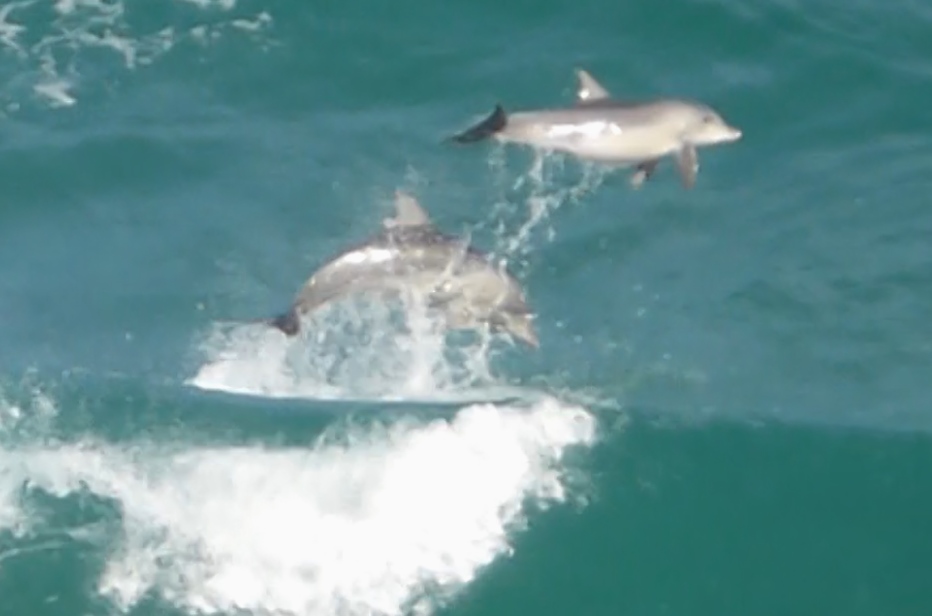
A Super Pod of Dolphins had moved into the bay, numbering well over 100 in one end of the bay. They were surfing and jumping waves and generally having fun. Matt and Kathrin only had a small “point and shoot” camera with them so the footage is a little shaky but certainly worth viewing in full screen mode and 360/480.

Dolphinsjump1 (3)

Cape Catastrophe

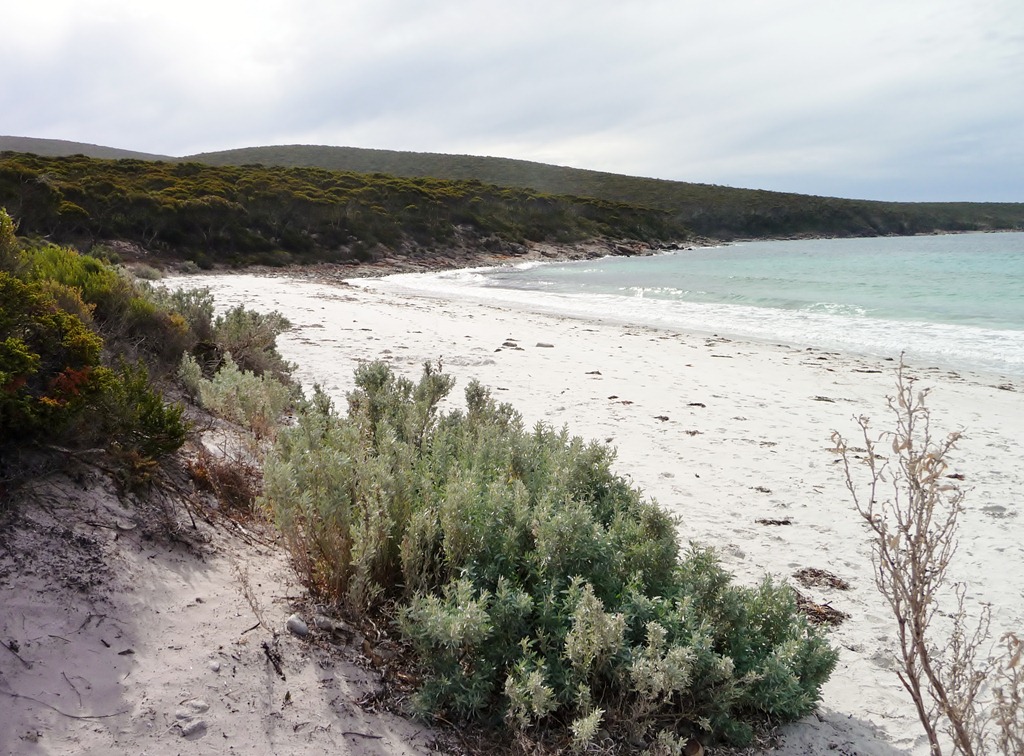
Standing on the white sands of Memory Cove looking out over a beautiful azure blue sea makes you forget the dangers of this area. This sandy beach is much the same as Matthew Flinders saw  when he discovered the area in 1802 and we were standing on the beach 212 years later to the day.

Cove-view.jpg

On 21 February 1802, Flinders’ expedition suffered a tragic  loss of crew  when ship master John Thistle, midshipman William Taylor and six seamen were drowned when their cutter capsized while searching for fresh water. The seamen were J. Little, George Lewis, John Hopkins, William Smith, Thomas Grindall and Robert Williams. Flinders was deeply affected by this disaster and recorded place names including Thorny Passage, Memory Cove, Cape Catastrophe, and Thistle Island to commemorate the lives lost and named islands in the area after the crew members. 

Flinders placed a plaque at Memory Cove and a replica is now installed.

IMG_6970

We left Memory Cove in sight of the nearby islands bound for Cape Catastrophe and the nearby Sea Lion colony.

Launching at Memory Cove

Launching at Memory Cove

Sheltering behind a small headland to admire the view

Sheltering behind a small headland to admire the view

P1060827

P1060643

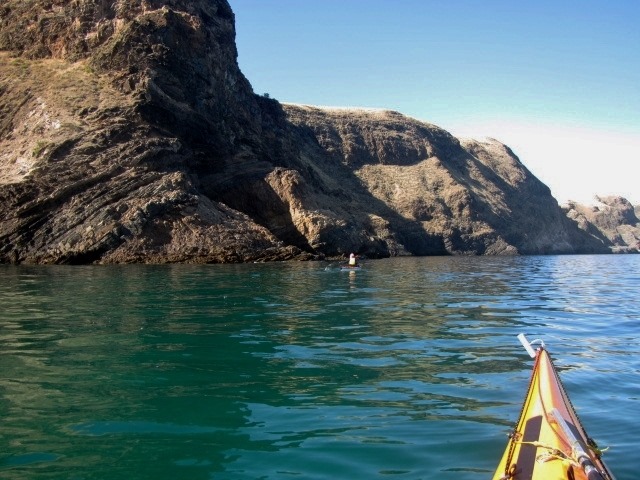
The weather had been kind to us so far with the temperature  a nice 25 degrees Celsius and the winds just a gentle breeze. We followed the coast line south from the Cove checking out many of the rocky crevices and spectacular cliff faces. The water is deep here, has a deep green colour and is known for crayfish and tuna fishing. We were only a few km’s  from Dangerous Reef. a breeding ground for white pointer sharks so it is likely they too are around here somewhere as well.

P1060708

P1060769

IMG_0471

This coastline is a mixture of rugged outcrops, dangerous waves, sandy protected coves and long white beaches.

P1060839

P1070006

Wave rocks

Wave rocks

P1060956

Not many people venture this way but sadly some come to grief.

IMG_7009

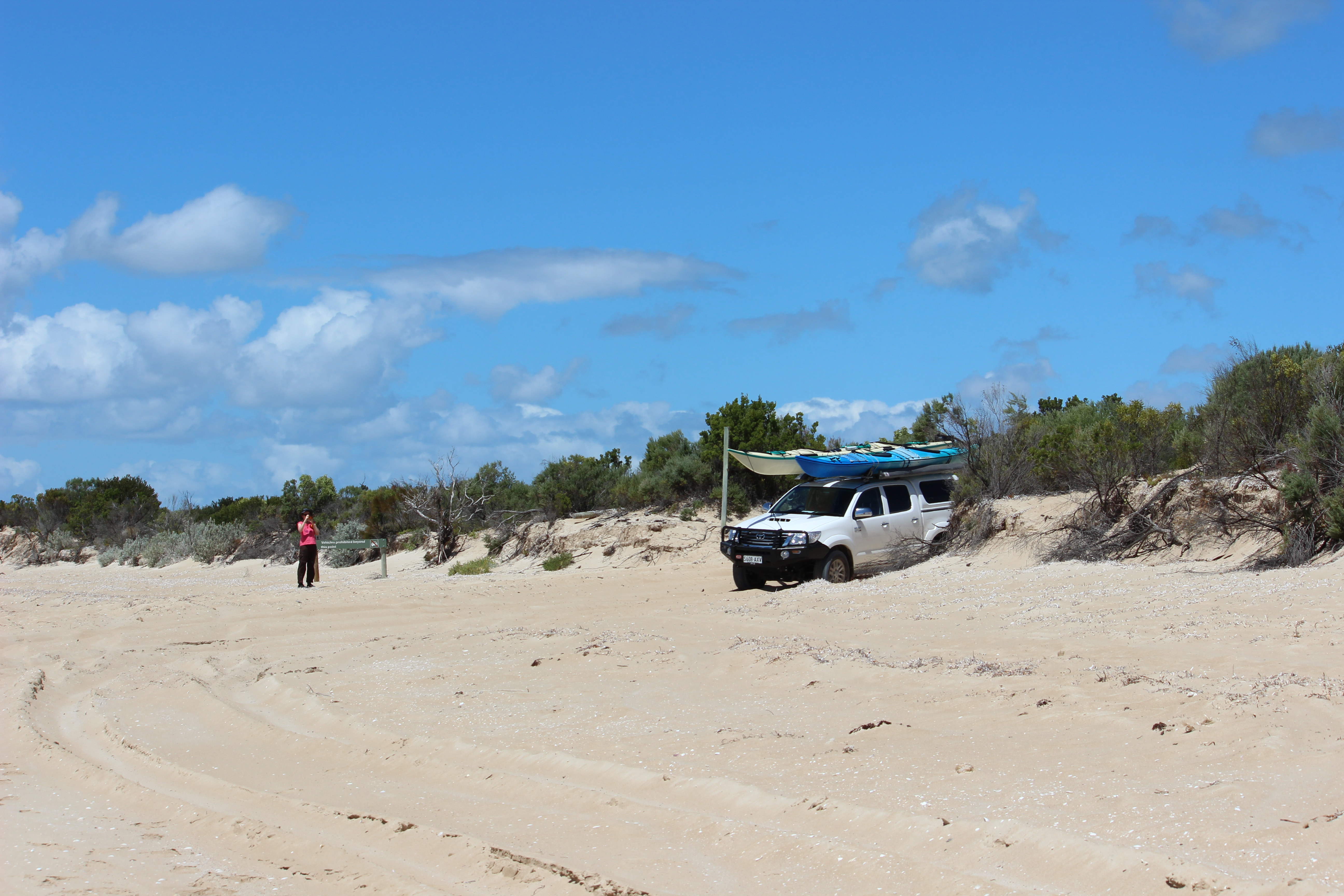
Later we moved on around the peninsula to paddle the calm waters of Coffin bay. An interesting drive over deep sand and rough tracks, but well worth the effort.

IMG_8672

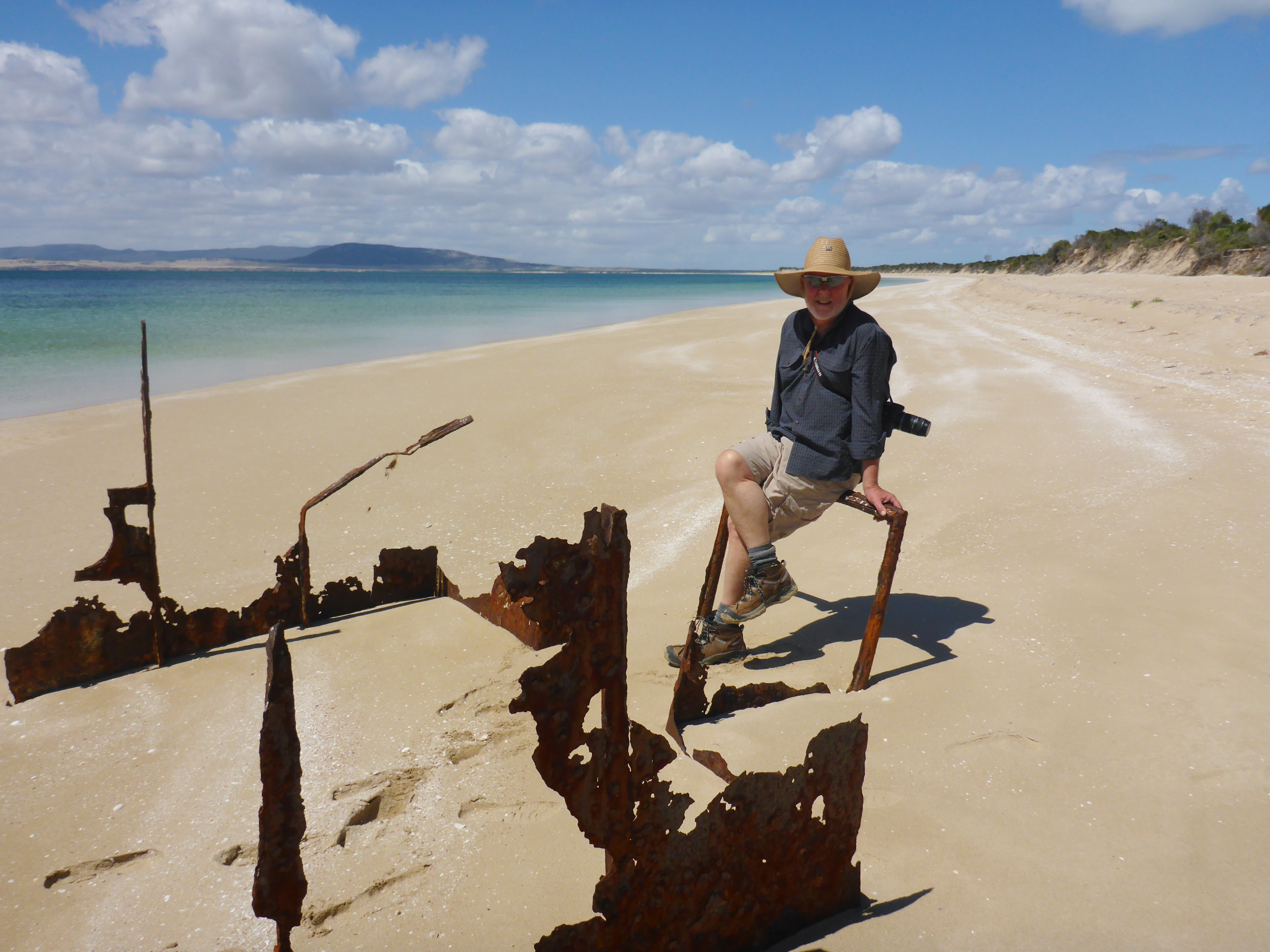
Finding the remains of a wrecked fishing boat buried in the sand.

P1070156

Setting off from 7 Mile Beach it was west in the sheltered bay for lunch and  more sand dunes to climb.

IMG_8837

P1070873

The next couple of days were spent exploring the area around Black Springs.

IMG_7071

P1070109

Later we drove the 20 km sand and limestone 4WD track into Coffin Bay National Park and spent time exploring some of the more inaccessible launching spots.

P1070777

IMG_7037

We spotted a number of the local inhabitants in our travels.
One afternoon 2 large goannas wandered through our camp and climbed a tree near us.

IMG_9240

On occasions we had emus wander through our camp.

IMG_8747

Kangaroos spent time watching us.

P1090750

Dolphins whizzed by in a large pod about 30 strong.

P1080391

Wedge tailed eagles circled overhead looking for an easy meal.

IMG_7099

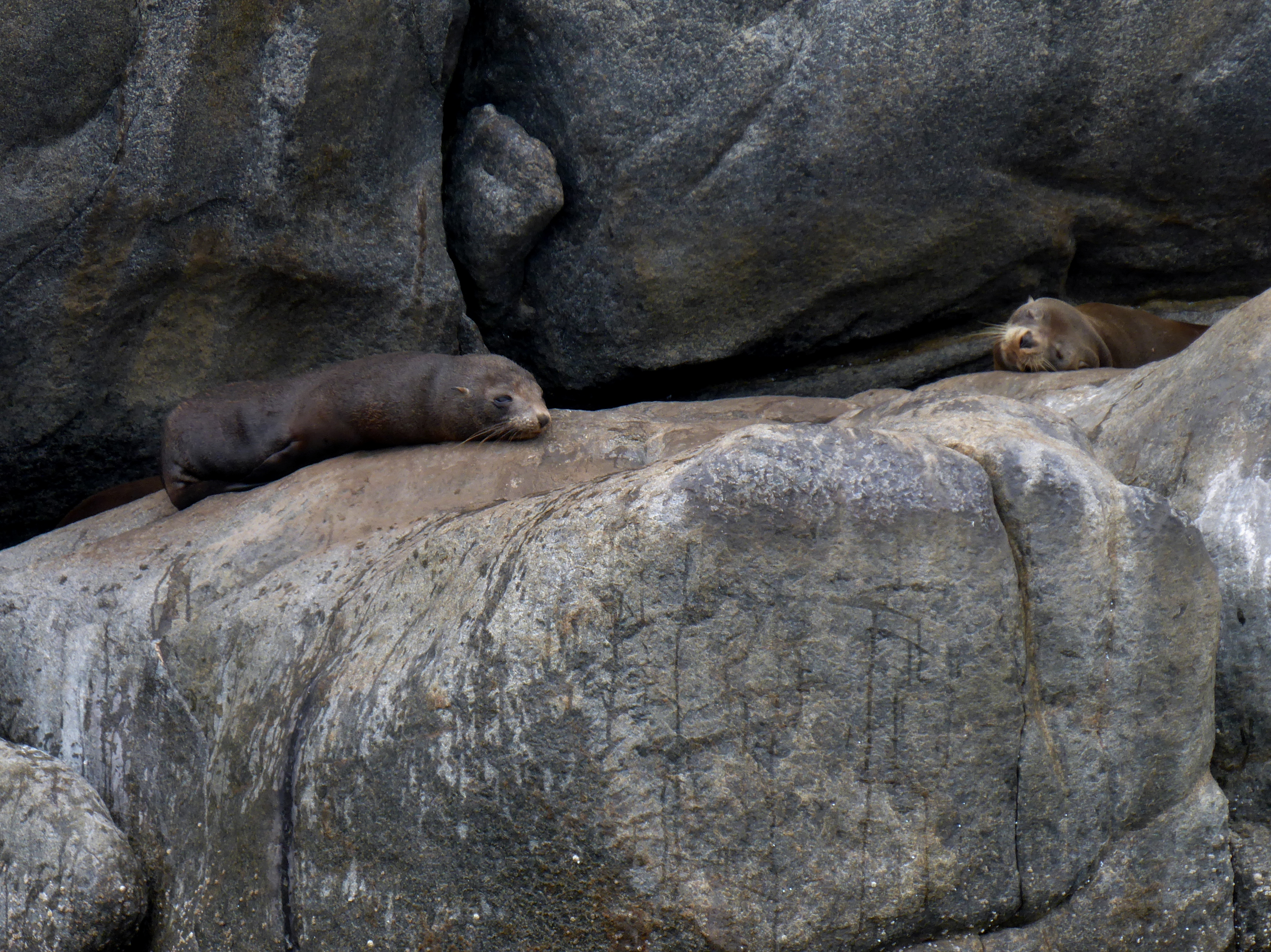
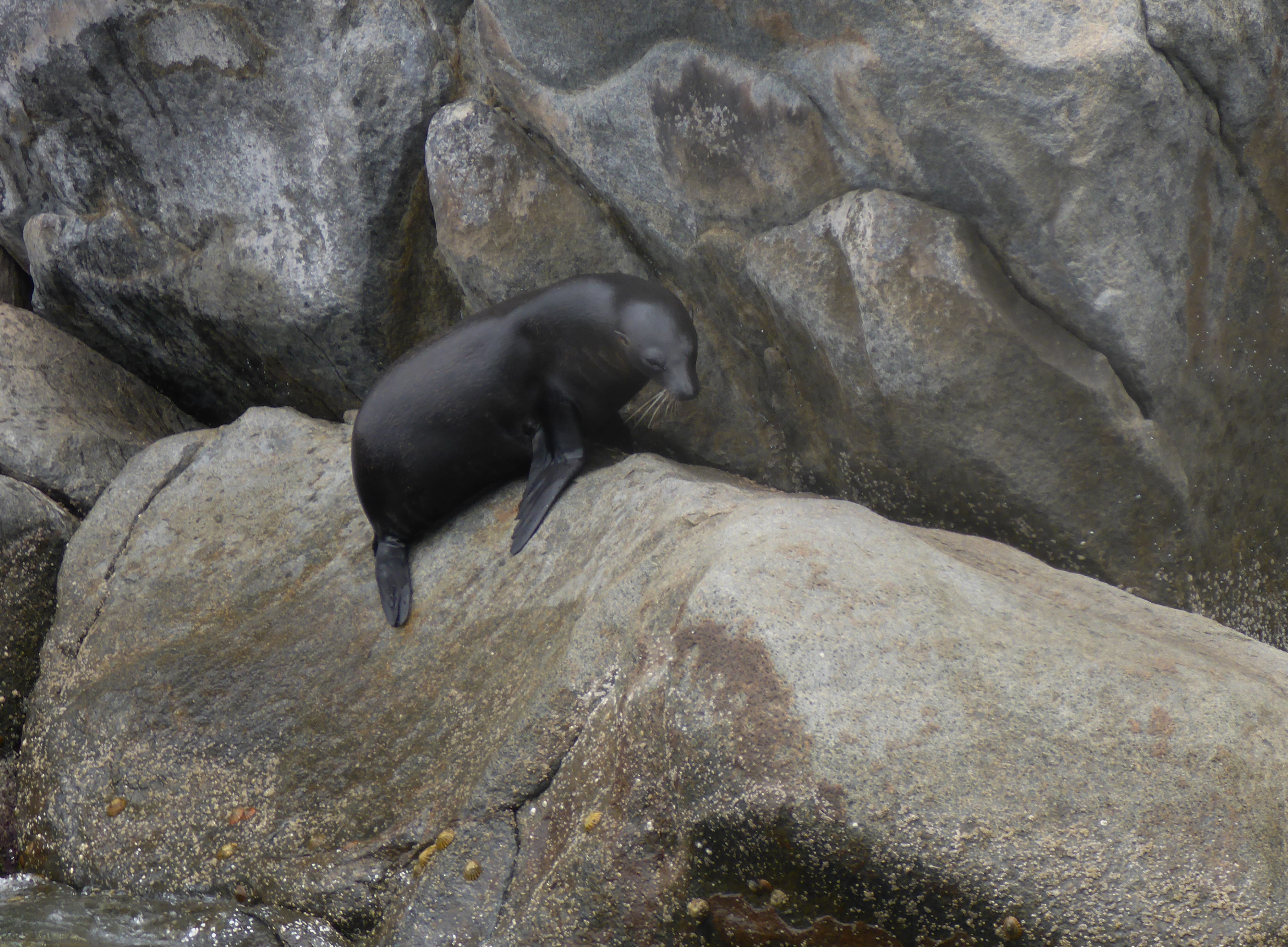
Sea Lions lazed about on the rocks.

Sea Lions doing what they do best---relax on a warm rock

Sea Lions doing what they do best—relax on a warm rock

Sea birds of all varieties squawked overhead.

P1070539

Of course there were other less cuddly locals.

P1070388

A great place to spend a couple of weeks exploring the coast. Lots of interesting paddling locations ranging from calm to challenging all with great scenery and wildlife.

We headed east coming across the familiar landscape of the inland areas and decided to divert to the north Flinders Ranges for a week of exploring. 

P1080580

The Second Valley- kayak Second Valley to Rapid Heads

I don’t actually remember the first time I paddled into the Second Valley. It must have been in the very late 1970’s as I have found photos of our expeditions further south at Cape Jervis in 1984. Luckily “ The Valley” viewed from the sea has  changed  little in that time. Ron Blum, long time resident of the township, published  “The history of Second Valley” in 1985 and I remember kayaking with him around that time. We both went on to paddle kayak marathons together especially the Murray 400km and Murray 200km races. Ron is still active in the Marathon Canoe Club  and a link to his achievements is here. (I was the club’s first secretary)

I have been asked several times recently about paddling the area, so it was here that I decided to start a month or so of paddling along the coastline of South Australia, hoping for some interesting photos. Second Valley on the Fleurieu Peninsula is 100km south of Adelaide, the State’s capital, and has become a regular haunt for sea kayakers and scuba divers.

Scene-near-Rapid-Bay-George-French-Angas-1847.jpgThe image above was by George French Angas in 1847 depicting local Aborigines fishing at Second Valley. Not a lot has changed as you can stand at the small jetty and easily see the features from the painting.

Our idea was to launch at Second Valley, paddle along the rugged coastline, past Rapid Bay and onto Rapid Heads where we often found New Zealand Fur Seals, Sea Lions and Dolphins.  The small beach is an easy launching spot although it can be crowded with locals cooling their heels on a hot summers day. We set off around 9am to miss the predicted scorching 43 degree heat of the day and also avoided any crowds. We call any more than 3 people a crowd !!!

Ready to launch at Second Valley beach

Ready to launch at Second Valley beach

The last of the fishing village heritage disappeared with the removal of the tumble down boat sheds from the headland in 2009, however you can still see some of the foundations and the old launching winch.

Robyn passes the remains of the old fishing sheds and launching winch

Robyn passes the remains of the old fishing sheds and launching winch

After rounding the rocks on the outer of the bay you get a view of what’s to come.  You can see Rapid Bay just a couple of kilometres away with Rapid Headland in the distance. Few people venture far around the coast so often you will have the place to yourself as we did.

P1020392-1024x608.jpg

Heading towards Rapid Heads

Heading towards Rapid Heads

Not far along you come to the Second Valley sea cave. Its not huge but just big enough to get a couple of sea kayaks in there. At one time we had 6 kayaks in at once but it was very squeezy. Robyn waited at the entrance as I explored the cave, taking a couple of minutes for my eyes to adjust to the darkness. The cave entrance is easy to navigate however care should be taken when there is a SW swell evident.

Taking in the view along the rugged coastline

Taking in the view along the rugged coastline

Once in the cave it was easy to turn around and find Robyn taking a photo at the entrance.

Paddling out of the cave I found Robyn taking photos

Paddling out of the cave I found Robyn taking photos

Further on there are other small grottos to explore and lots of spectacular rock formations…….

Paddling along the ancient coastline

Paddling along the ancient coastline


Another fissure to explore

Another fissure to explore


Ian exploring one of the small grottos in the cliff

Ian exploring one of the small grottos in the cliff

…..and a couple of secluded beaches which we would visit later for a relaxing swim.

One of the many small secluded beaches

One of the many small secluded beaches

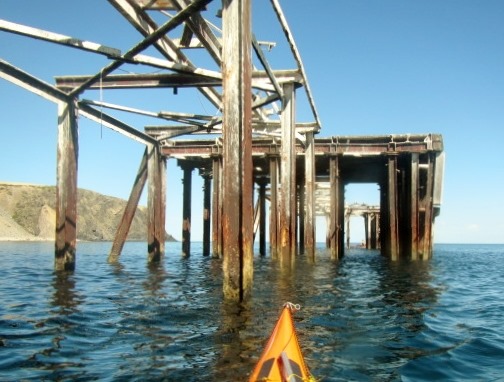
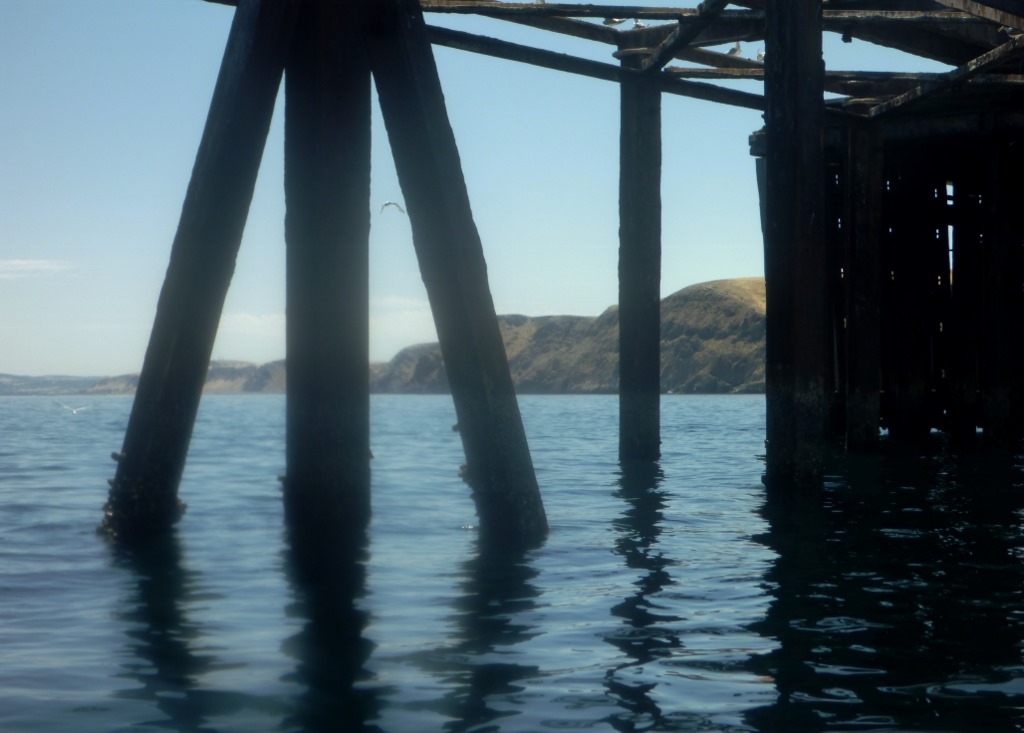
Further on you can make out the Rapid Bay jetties. The larger structure was used as a loading wharf when BHP was mining in this area. The jetty has now fallen into disrepair but is a haven for fish life. A smaller jetty was built near it for recreational fisherman and scuba divers.

P1020419-1024x731.jpg

The structure also makes for some interesting photos.

IMG_0386-504x382.jpg

Looking towards Second Valley

Looking towards Second Valley

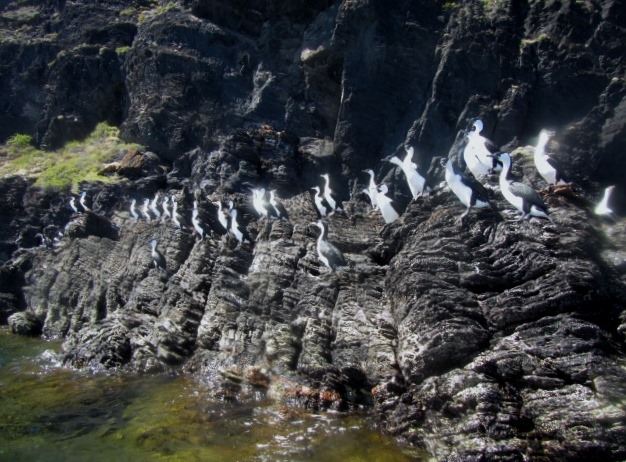
After passing Rapid Heads, where there is often a confused sea around the bommies, we found the seals playground. Today there were only a few New Zealand Fur Seals lolling about, but often there are also Australian Sea Lions in residence. The Pied Cormorants seems always to be here in reasonable numbers and the trick is not to disturb them lest they decide to take off in a hurry, necessitating the empyting of their bowels. Not a pretty site splatting across the deck of your kayak, or you (always wear a hat !!).

Pied Cormorants, commonly called Shags all ready for take-off

Pied Cormorants, commonly called Shags all ready for take-off

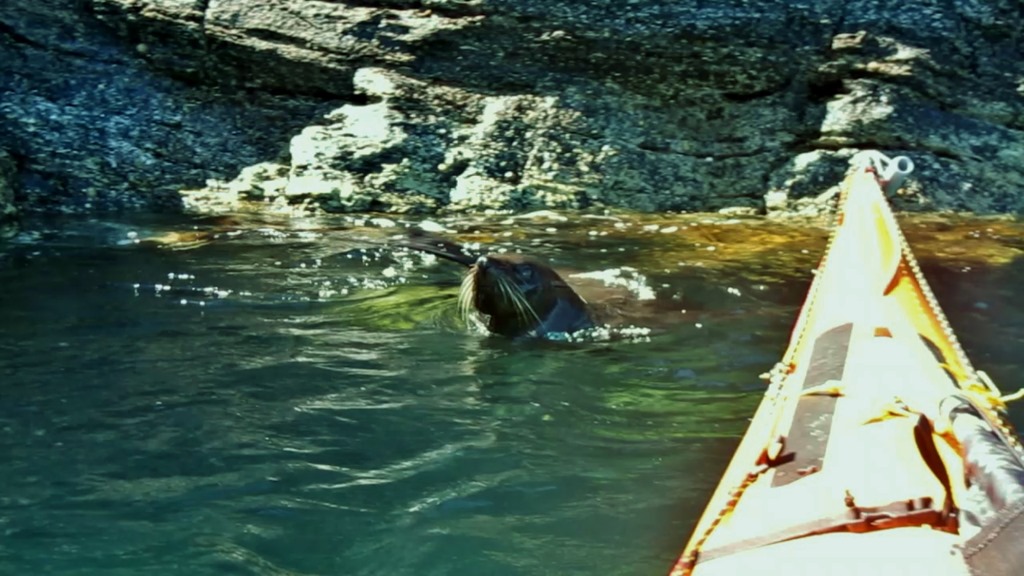
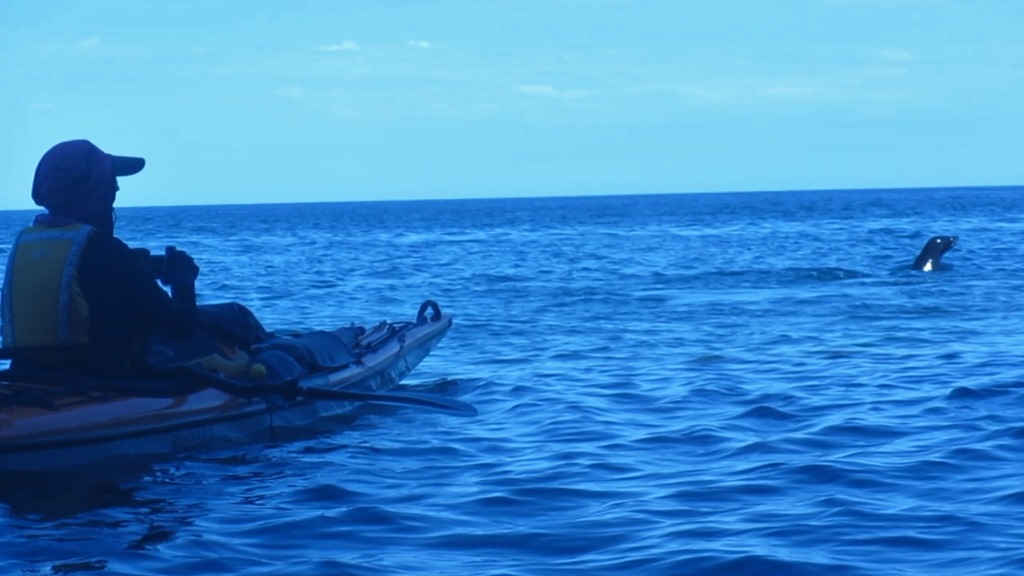
We met up with all the usual suspects. NZ fur seals bobbing around the bow of the kayak and dolphins speeding past on their way south.

Suddenly there was a set of whiskers on my bow

Suddenly there was a set of whiskers on my bow


Robyn is visited by an inquisitive seal

Robyn is visited by an inquisitive seal

Second Valley and Rapid Bay areas offer lots to the sea kayaker and the whole day trip is only 12 km or so, allowing plenty of time to explore or have a relaxing lunch on one of the secluded beaches.

Googs Track 2013

It’s been a windy Spring this year with cooler temperatures restricting our paddling activities to local day paddles. Certainly some nice paddles along the local coast with bumpy conditions and often a following sea to make it more fun, but nothing interesting enough for a story.

With the need to get our feet wet and some sand between our toes we joined up with Malcolm and Annie for an exciting trip around the west coast of South Australia.

We started by dipping our toes in the Southern Ocean on a nice 41° C November day, so that took care of the wet feet part.

IMG_0238 (2)

And now for the sand between the toes.

Luckily for us Malcolm and Annie are experienced “bush travellers” and were going to take us across the Googs Track which runs roughly 220 kilometers of 4wd track traversing part of the Yellabinna Conservation Park. It runs north south from the dingo proof fence north of Lone Oak, 40 km north of Ceduna, to Tarcoola on the East-West railway line traversing over 363 sand dunes.  The idea was to follow the track to the railway line, then east to Tarcoola, look around the mainly deserted town and then head for the thriving metropolis of Glendambo for fuel. Mal and Annie would have enough diesel to get through but our petrol Toyota Prado would need to carry extra jerry cans.

Malcolm and Annie also carried most of the heavier rescue equipment that we would probably need to get the Prado up and over the dunes.

This is desert country, dominated by scrub and hot sand dunes, so it quite unusual to arrive at the top of the first sand dune in light rain.

IMG_0253.jpg

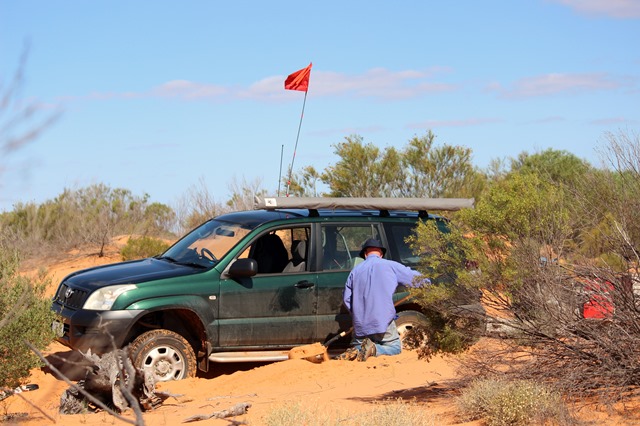
It wasn’t long before the sand claimed its first victim with us bogged on the crest of a dune. There had been strong winds recently and deep sand drifts had formed on the crests. Out with the shovel and recovery gear for the first time.

IMG_0257.jpg

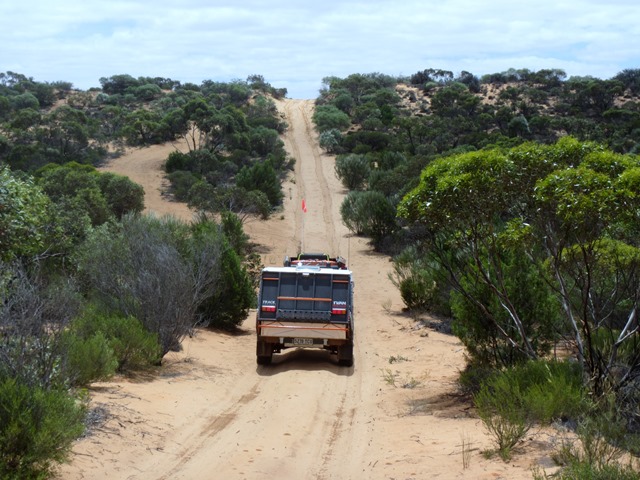
We soon got into the rhythm of the day, following Mal and Annie up and over the dunes, admiring the view from the crests.
IMG_0293.jpg

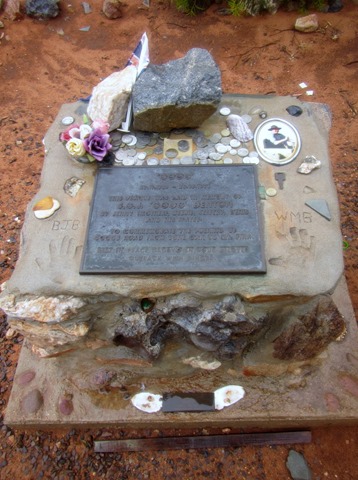
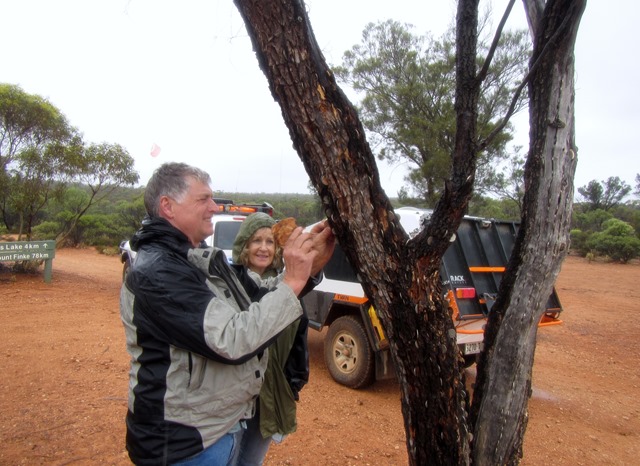
Googs Track across the dunes was completed in 1976 and you can see the history of the track here.  The memorial to track builders Goog and Dinger was an unusual place with tributes left around the plaque.

IMG_0262.jpg

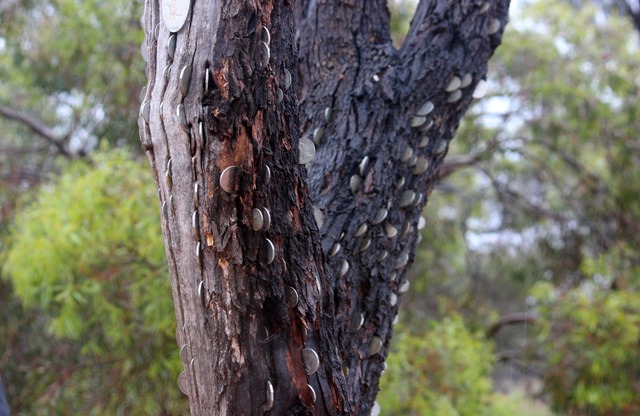
We followed the custom by wedging a coin into the money tree at the memorial.
IMG_0266.jpg

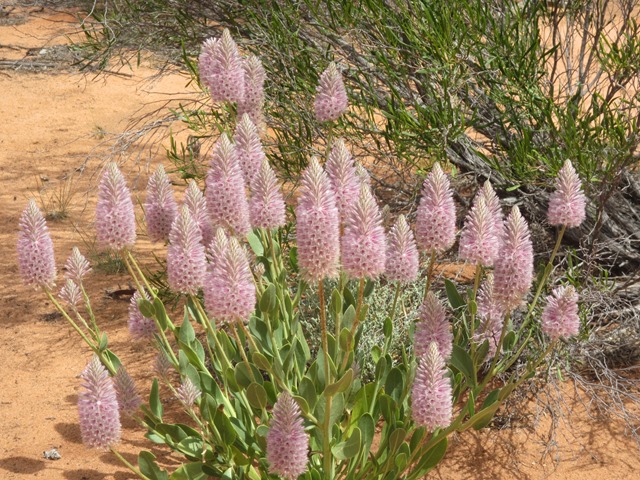
IMG_7667.jpgNot everything is sand and scrub and although we were not in prime time for wildflowers there was plenty of colour along the way.
IMG_0295.jpg

It was great viewing at the top of each dune giving us an idea of what was to come. Sand Dunes for as far as you could see in all directions.

IMG_0299.jpg

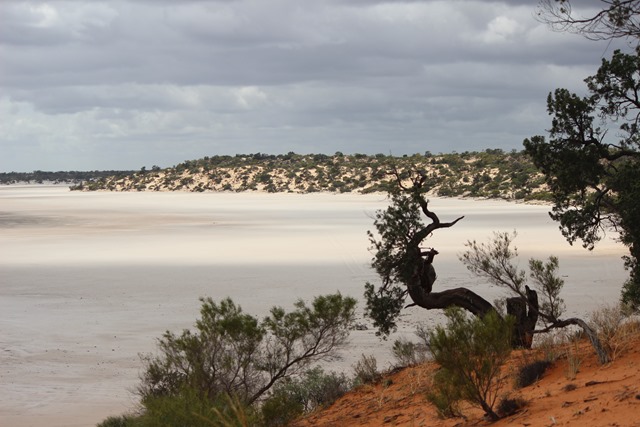
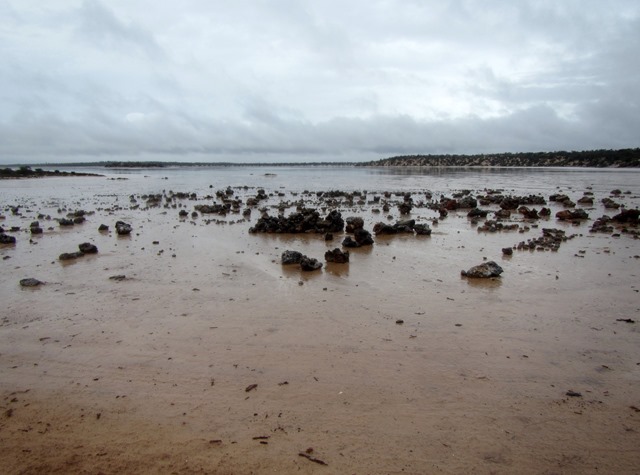
We camped on the banks of Googs Lake, normally a dry salt pan but now rapidly filling with a few centimetres of water from the rain.

IMG_0272.jpg

IMG_6833.jpg

Again it was a learning session with Malcolm whose knowledge and ability with a camera far exceeds mine and the changing lake was a great place to learnIMG_6844.jpg

IMG_6845.jpg

IMG_6846.jpg

We awoke the next morning to find evidence of Dingos nearby.

IMG_0304.jpg

We continued on over the dunes with the normal daily activities.
IMG_7669.jpg

IMG_7799.jpg

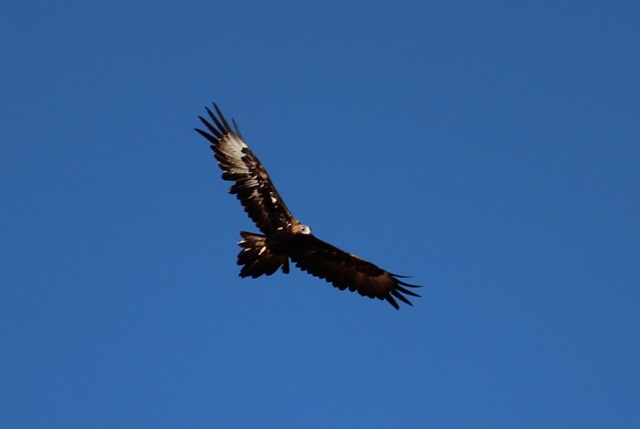
The Wedge Tailed eagles circling overhead were also thinking about lunch.
IMG_8005.jpg

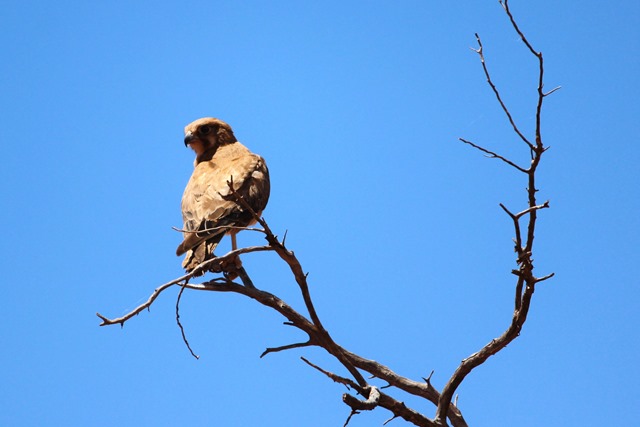
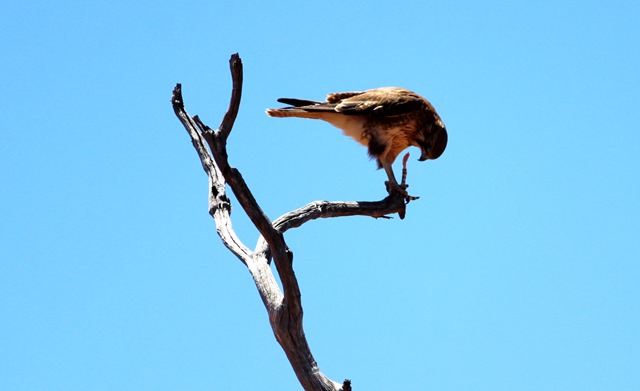
At least we provided some entertainment for the Sand Goannas and other lizards, whilst a Hawk continued his lunch nearby.

IMG_7760.jpg

IMG_7754.jpg

Onwards towards Mt Finke looming in the distance……

IMG_0323.jpg

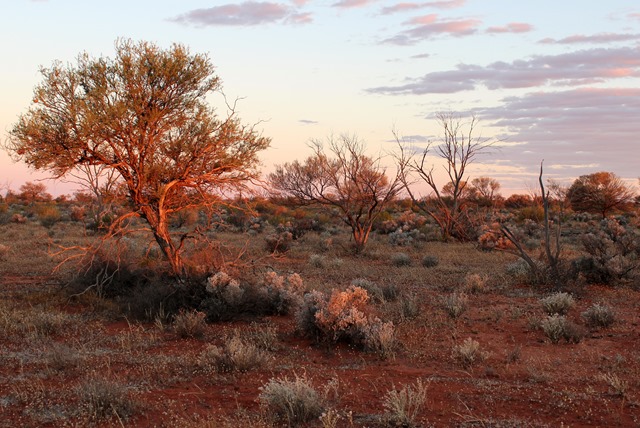
and the last light of the day celebrated with a cold beer.
IMG_6886.jpg

We detoured to visit Mt Finke and camped at Finke Lake claypan.

IMG_6853.jpg

Next day the track was less sand dunes and a lot more meandering through the scrub and in the afternoon we reached the Transcontinental Railway line.

IMG_6871.jpg

IMG_6868.jpg

We travelled to the “almost” ghost town of Tarcoola and did a little fossicking around the old buildings and mine site.

IMG_6874.jpg

Amongst other thinks Malcolm found the remnants of a 47-year-old newspaper blown against one of the buildings.

IMG_6884.jpg

Next day found us in Kingoonya and we just had to stop for a lunch time beer on the hotel verandah. There seems to be only 2 inhabited houses and the hotel left in the town.

IMG_6900.jpg

The petrol station hasn’t been open for a long time and now the local Aboriginal Community has a self-serve pump behind the hotel.

IMG_7961.jpg

Next stop on the track was Glendambo, just 40 km or so away.

IMG_6903.jpg

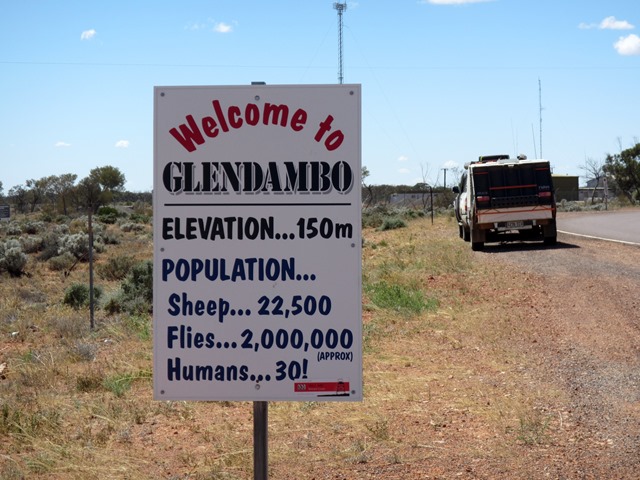
Glendambo. I think the sign says it all.
IMG_0329.jpg

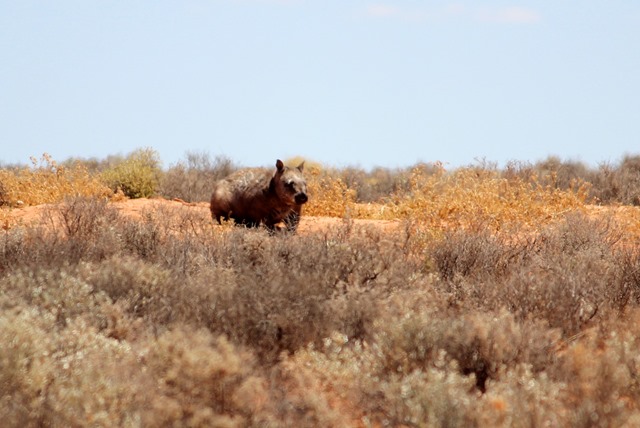
Robyn spent time talking to one of the locals, a very large hairy Nosed Wombat……
IMG_7967.jpg

watched closely by the local Hawks.

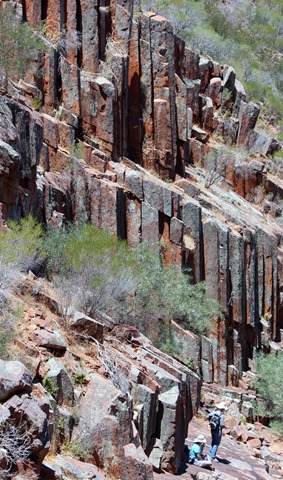
IMG_7973.jpgWe continued the trip along a few hundred kilometres of bone jarring corrugated tracks to get to the Gawler Ranges where we explored the rock formations in the valleys.
IMG_6915.jpgA great trip to some hard to access country and well worth the effort.

Ian and Robyn